Email Marketing for D2C: Flows That Drive 30% of Revenue
 Brandora Team
Email marketing is the most profitable channel for D2C brands. The data is unambiguous: email generates an average return of $36 to $42 for every $1 spent, making it 3 to 4 times more efficient than paid social and 6 to 8 times more efficient than paid search on a per-dollar basis. Top-performing D2C brands generate 25 to 35 percent of their total revenue from email, with the best operators pushing this to 40 percent or more.
Yet most D2C brands underinvest in email. They set up a basic welcome flow, send a few campaigns per month, and leave money on the table. The difference between a brand generating 10 percent of revenue from email and one generating 30 percent is not list size — it is the depth and sophistication of their automated email flows.
This guide covers the 7 essential email flows that every D2C brand needs, with exact timing, subject line benchmarks, content frameworks, and revenue targets for each flow. These are not theoretical — they are benchmarked against data from thousands of D2C email programs across Klaviyo, Omnisend, and Mailchimp.
Email Revenue Breakdown: Flows vs. Campaigns
Before diving into individual flows, understand the two types of email revenue:
- Flow revenue (automated): Revenue generated by automated email sequences triggered by specific customer actions (signing up, abandoning cart, making a purchase, etc.). Flows should generate 50 to 65 percent of your total email revenue.
- Campaign revenue (manual): Revenue generated by one-time email sends (product launches, sales, content, newsletters). Campaigns should generate 35 to 50 percent of total email revenue.
Most underperforming email programs have the ratio inverted — 70 to 80 percent campaign revenue and 20 to 30 percent flow revenue. This means they are relying on manual effort (writing and sending campaigns) rather than building automated systems that generate revenue 24 hours a day, 7 days a week. Fixing this ratio is the single highest-leverage improvement you can make to your email program.
Flow 1: Welcome Series (Expected Revenue: 3-8% of Total Email Revenue)
The welcome series is triggered when a new subscriber joins your email list, typically through a popup offering a discount, free shipping, or a content lead magnet. This is the highest-revenue automated flow for most D2C brands because it captures subscribers at peak interest.
Optimal Welcome Series Structure: 5 Emails Over 7 Days
Email 1: Immediate (within 1 minute of signup)
- Purpose: Deliver the promised incentive and make the first sale.
- Content: Thank them for joining, deliver the discount code or offer, show your best-selling product, and include a clear CTA to shop.
- Benchmark open rate: 45 to 55 percent.
- Benchmark click rate: 8 to 12 percent.
- Revenue per recipient (RPR): $1.50 to $3.50.
Email 2: Day 1 (24 hours after signup)
- Purpose: Tell your brand story and build emotional connection.
- Content: Founder story, brand mission, what makes you different. Include social proof (customer count, review ratings, press mentions). Soft CTA to browse.
- Benchmark open rate: 35 to 45 percent.
- Benchmark click rate: 4 to 7 percent.
- RPR: $0.50 to $1.50.
Email 3: Day 3
- Purpose: Social proof and objection handling.
- Content: Showcase 3 to 5 customer testimonials or reviews. Address the top purchase objection (price, efficacy, etc.). Include a reminder of the welcome offer if unused.
- Benchmark open rate: 30 to 40 percent.
- Benchmark click rate: 3 to 6 percent.
- RPR: $0.80 to $2.00.
Email 4: Day 5
- Purpose: Education and value demonstration.
- Content: How to use the product, what results to expect, tips for getting the most out of it. Include before-and-after results or usage tutorials.
- Benchmark open rate: 28 to 38 percent.
- Benchmark click rate: 3 to 5 percent.
- RPR: $0.40 to $1.20.
Email 5: Day 7 (Urgency Close)
- Purpose: Create urgency to convert non-buyers before the welcome offer expires.
- Content: "Your [X]% off expires tonight." Reinforce the offer, show the top product, include a testimonial, and add a countdown element. This is the most direct sales email in the series.
- Benchmark open rate: 30 to 40 percent.
- Benchmark click rate: 5 to 8 percent.
- RPR: $1.00 to $2.50.
Total welcome series revenue per subscriber: $4.20 to $10.70. For a brand adding 2,000 email subscribers per month, this flow alone generates $8,400 to $21,400 per month.
Flow 2: Abandoned Cart (Expected Revenue: 5-12% of Total Email Revenue)
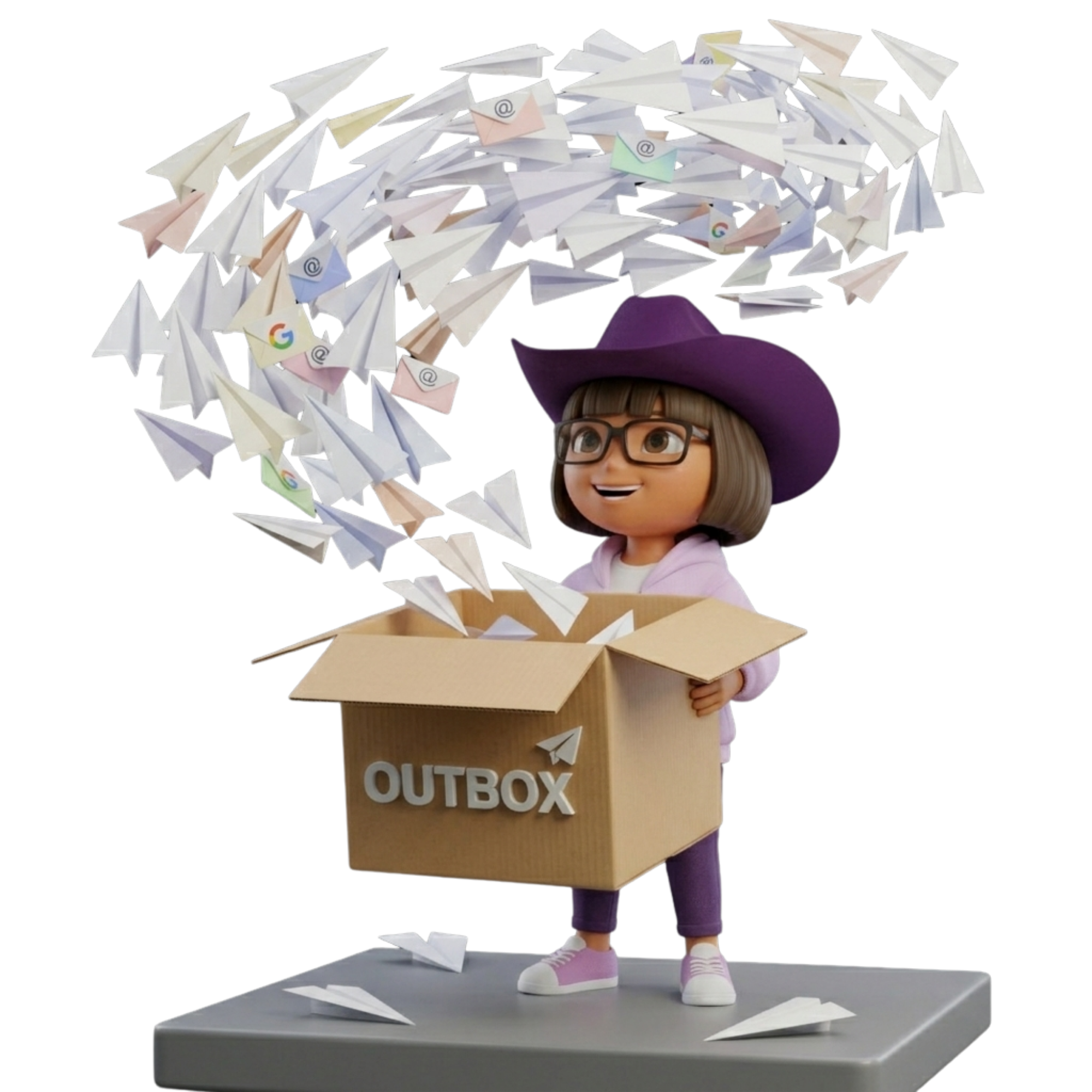
Cart abandonment emails target visitors who added a product to their cart but did not complete the purchase. The average D2C cart abandonment rate is 69 to 72 percent, meaning roughly 7 out of 10 shoppers who add to cart leave without buying. A well-optimized abandoned cart flow recovers 5 to 15 percent of these lost sales.
Optimal Cart Abandonment Structure: 3 Emails Over 48 Hours
Email 1: 1 hour after abandonment
- Purpose: Reminder — they may have been distracted or experienced a technical issue.
- Content: "You left something in your cart." Show the specific product(s) with images and prices. Include a direct link back to their cart. No discount yet.
- Benchmark open rate: 40 to 50 percent.
- Benchmark click rate: 8 to 14 percent.
- Benchmark recovery rate: 5 to 8 percent of recipients.
Email 2: 24 hours after abandonment
- Purpose: Objection handling and social proof.
- Content: "Still thinking about it?" Include 2 to 3 customer reviews for the abandoned product, a benefit callout, and shipping/return policy highlights. Optional: offer free shipping if not already included.
- Benchmark open rate: 35 to 45 percent.
- Benchmark click rate: 5 to 10 percent.
- Benchmark recovery rate: 3 to 6 percent of recipients.
Email 3: 48 hours after abandonment
- Purpose: Final nudge with incentive.
- Content: "Last chance — your cart is about to expire." Offer a 10 to 15 percent discount or free shipping as a final incentive. Create genuine urgency — the cart items will be released. Include the product image and a one-click checkout link.
- Benchmark open rate: 28 to 38 percent.
- Benchmark click rate: 4 to 8 percent.
- Benchmark recovery rate: 3 to 5 percent of recipients.
Total cart abandonment flow recovery rate: 10 to 18 percent of cart abandoners. For a brand with 5,000 monthly cart abandonment events and a $65 AOV, this flow recovers $32,500 to $58,500 per month.
Flow 3: Browse Abandonment (Expected Revenue: 2-5% of Total Email Revenue)
Browse abandonment targets visitors who viewed specific products but did not add to cart. This audience has lower purchase intent than cart abandoners, so the approach is more educational and less sales-driven.
Optimal Browse Abandonment Structure: 2 Emails Over 48 Hours
Email 1: 4 hours after browsing
- Purpose: Soft reminder of the product they showed interest in.
- Content: "Caught your eye?" Show the viewed product with a lifestyle image, 1 to 2 customer reviews, and a link to the product page. No discount.
- Benchmark open rate: 30 to 40 percent.
- Benchmark click rate: 3 to 6 percent.
- RPR: $0.30 to $0.80.
Email 2: 24 hours after browsing
- Purpose: Show alternatives and best sellers.
- Content: "You might also like..." Show the viewed product plus 2 to 3 related products or best sellers. Include a social proof element. Soft CTA.
- Benchmark open rate: 25 to 35 percent.
- Benchmark click rate: 2 to 5 percent.
- RPR: $0.20 to $0.60.
Flow 4: Post-Purchase (Expected Revenue: 4-8% of Total Email Revenue)
The post-purchase flow is the most underutilized flow in D2C email marketing. Most brands send an order confirmation and a shipping notification, then go silent until the next campaign blast. This is a massive missed opportunity — the post-purchase period is when the customer is most engaged with your brand and most receptive to building a long-term relationship.
Optimal Post-Purchase Structure: 5 Emails Over 30 Days
Email 1: Order confirmation (immediate)
- Content: Order details, expected delivery date, what to expect. This is transactional but also an opportunity to reinforce the purchase decision ("Great choice — you are going to love this").
- Benchmark open rate: 60 to 70 percent (highest of any email type).
Email 2: Shipping confirmation (when shipped)
- Content: Tracking information, expected delivery date, preparation tips ("Here is how to get the most out of your product when it arrives").
- Benchmark open rate: 55 to 65 percent.
Email 3: Day 3 after delivery
- Purpose: Check in and provide product education.
- Content: "How is it going?" Include tips for product use, common first-week experiences, and a link to a how-to guide or video. Ask for feedback (not a review yet — too early).
- Benchmark open rate: 35 to 45 percent.
Email 4: Day 14 after delivery
- Purpose: Request a review and capture social proof.
- Content: "How are you enjoying [product]? Share your experience." Direct link to leave a review. Incentivize with a small reward (loyalty points, entry into a giveaway, or a 10 percent discount on next order).
- Benchmark open rate: 30 to 40 percent. Benchmark review submission rate: 5 to 12 percent.
Email 5: Day 25-30 after delivery
- Purpose: Cross-sell and drive the second purchase.
- Content: Based on what they bought, recommend complementary products. "Customers who bought [X] also love [Y]." Include a cross-sell incentive (10 percent off their next order, free shipping, or a bundle deal).
- Benchmark open rate: 25 to 35 percent.
- Benchmark click rate: 4 to 7 percent.
- RPR: $0.80 to $2.00.
Flow 5: Win-Back (Expected Revenue: 2-4% of Total Email Revenue)

Win-back flows target customers who have not purchased in a defined period — typically 60 to 120 days, depending on your product's repurchase cycle. The goal is to re-engage lapsed customers before they churn permanently. Win-back flows recover 3 to 8 percent of lapsed customers, generating revenue at 80 to 90 percent lower cost than new customer acquisition.
Optimal Win-Back Structure: 3 Emails Over 14 Days
Email 1: Day 60-90 after last purchase (depending on repurchase cycle)
- Content: "We miss you — here is what is new." Highlight 2 to 3 new products, best sellers, or seasonal items. No discount. Appeal to curiosity.
- Benchmark open rate: 20 to 30 percent.
Email 2: 5 days after email 1
- Content: "Here is something special for you." Offer a personalized incentive — 15 to 20 percent discount, free shipping, or a free gift. Include a testimonial from a repeat customer.
- Benchmark open rate: 18 to 28 percent.
Email 3: 7 days after email 2
- Content: "Last chance to save [X]%." Create urgency around the expiring offer. This is your final attempt before the customer is classified as churned and moved to a sunset flow.
- Benchmark open rate: 15 to 25 percent.
- Win-back rate across all 3 emails: 3 to 8 percent.
Flow 6: Replenishment Reminder (Expected Revenue: 3-6% of Total Email Revenue)
This flow is specific to consumable products (supplements, skincare, food, pet food, household supplies). It triggers based on the expected consumption timeline of the purchased product. For example, if a customer buys a 30-day supply of vitamins, the replenishment email triggers at day 23 to 25 — before they run out.
Replenishment emails have some of the highest conversion rates in email marketing because the timing aligns with genuine need:
- Benchmark open rate: 40 to 50 percent.
- Benchmark click rate: 8 to 14 percent.
- Benchmark conversion rate: 10 to 18 percent (among the highest of any email type).
- RPR: $3.00 to $7.00.
The key to replenishment emails is accuracy. Calculate the average consumption period for each product based on usage instructions, then send the reminder 5 to 7 days before the expected run-out date. Include a "reorder with one click" button and consider offering a subscription option at a discounted rate (10 to 15 percent off) to convert one-time buyers into subscribers.
Flow 7: Sunset Flow (List Hygiene)
The sunset flow is not a revenue flow — it is a list health flow that indirectly improves revenue by maintaining your email deliverability. Subscribers who have not opened or clicked an email in 90 to 120 days are hurting your sender reputation. ISPs like Gmail, Yahoo, and Outlook track your engagement rates and throttle delivery to the inbox when engagement drops.
A healthy email list should have:
- Open rate: 25 to 35 percent average across flows and campaigns. Below 20 percent indicates deliverability issues.
- Unsubscribe rate: Below 0.3 percent per send. Above 0.5 percent indicates content relevance issues.
- Bounce rate: Below 1 percent. Above 2 percent indicates list quality issues.
- Spam complaint rate: Below 0.08 percent. Above 0.1 percent triggers deliverability throttling at major ISPs.
The sunset flow sends 2 to 3 "re-engagement" emails to inactive subscribers. If they do not open or click any of these emails, they are automatically unsubscribed or suppressed. This typically removes 15 to 30 percent of your list — which feels painful but results in a 10 to 20 percent improvement in open rates and inbox placement for the remaining engaged subscribers.
Campaign Strategy: The Other Half of Email Revenue
While flows run on autopilot, campaigns are your opportunity to drive timely revenue through product launches, promotions, content, and seasonal moments. The optimal campaign cadence for D2C brands is 3 to 5 emails per week. Brands sending fewer than 2 per week leave revenue on the table. Brands sending more than 5 per week see diminishing returns and increasing unsubscribe rates.
A balanced weekly campaign calendar:
- Monday: Educational or content email (tips, how-to guides, ingredient spotlights). Builds engagement without direct selling.
- Wednesday: Product-focused email (new arrivals, best sellers, restocks). Direct revenue driver.
- Friday or Saturday: Social proof or promotional email (customer stories, limited-time offers, weekend deals). Capitalizes on higher weekend shopping intent.
Campaign revenue per send should average $0.05 to $0.15 per subscriber. For a list of 20,000 subscribers, each campaign should generate $1,000 to $3,000 in revenue. If your campaigns consistently perform below these benchmarks, the issue is typically subject lines (low open rate), content relevance (low click rate), or landing page experience (low conversion rate).
Email Subject Line Benchmarks and Best Practices
Subject lines determine whether your email gets opened. Here are the benchmarks that separate high-performing subject lines from average ones:
- Optimal length: 28 to 45 characters. Subject lines under 28 characters lack context. Subject lines over 50 characters get truncated on mobile, where 68 percent of emails are opened.
- Personalization: Including the recipient's first name increases open rate by 10 to 14 percent. Including a recently viewed product name increases open rate by 18 to 22 percent.
- Emojis: A single emoji in the subject line increases open rate by 5 to 8 percent for most D2C brands. More than 2 emojis decreases open rate by 3 to 5 percent.
- Urgency words: "Last chance," "Ends tonight," and "Final hours" increase open rates by 15 to 22 percent — but only when used infrequently (no more than once per week). Overuse causes subscriber fatigue and reduces the urgency effect.
- Numbers and specificity: Subject lines with specific numbers ("Save $15 today" vs. "Save big today") see 12 to 18 percent higher open rates.
AI tools can help generate and test subject line variations at scale. The human role is to set the strategy (what angle to test, what emotional trigger to target) while AI generates dozens of variations for testing. Platforms like Brandora integrate AI copywriting into their workflow, enabling D2C teams to test 5 to 10 subject line variations per campaign instead of going with a single gut-feel option.
Measuring Email Program Health
Track these metrics monthly to assess whether your email program is on track:
| Metric | Below Average | Average | Top Performer |
|---|---|---|---|
| Email % of total revenue | Under 15% | 20-25% | 30-40% |
| Flow vs. campaign revenue split | 20/80 | 40/60 | 55-65/35-45 |
| Average open rate | Under 20% | 25-30% | 35-45% |
| Average click rate | Under 2% | 3-5% | 6-10% |
| List growth rate (monthly) | Under 3% | 5-8% | 10-15% |
| Revenue per recipient (flows) | Under $0.50 | $1.00-$2.00 | $3.00-$5.00 |
Frequently Asked Questions
What email platform is best for D2C brands?
Klaviyo is the dominant choice for D2C brands on Shopify, used by over 100,000 Shopify stores. It offers the deepest Shopify integration, the most advanced segmentation and flow capabilities, and robust analytics. Pricing starts at $20 per month for up to 500 subscribers and scales to $150 per month at 10,000 subscribers and $350 per month at 25,000 subscribers. For brands on tighter budgets, Omnisend offers similar functionality at slightly lower pricing. Mailchimp is suitable for early-stage brands but lacks the advanced ecommerce-specific features that Klaviyo and Omnisend provide.
How often should a D2C brand send marketing emails?
The optimal cadence is 3 to 5 emails per week, including both campaigns and flow emails. Brands sending 3 to 4 emails per week see the highest revenue per subscriber with acceptable unsubscribe rates (below 0.3 percent per send). Sending 5 or more emails per week can work for engaged lists with high purchase frequency (like food and beverage brands), but requires careful monitoring of unsubscribe rates and engagement metrics. Sending fewer than 2 emails per week means you are underutilizing your list — open rates actually decrease with lower frequency because subscribers forget who you are.
What is a good email list growth rate for D2C?
A healthy email list should grow by 5 to 10 percent per month relative to your website traffic. The primary list-building tool for D2C brands is the email popup, which should convert 3 to 5 percent of site visitors into subscribers. If your popup conversion rate is below 2 percent, test your offer (10 to 15 percent discount is the benchmark), your popup timing (8 to 15 seconds after page load or on exit intent), and your popup design (single-field email capture converts 25 percent more than multi-field forms). Secondary list growth channels include post-purchase opt-in (capture 60 to 80 percent of buyers), social media lead generation ads, and referral programs.
Should I offer a discount in my welcome popup?
Yes — a 10 to 15 percent discount in your welcome popup is the standard for D2C brands and converts 2 to 3 times more subscribers than a no-discount popup. The concern about "training customers to wait for discounts" is valid but manageable. Set the welcome discount to expire within 48 to 72 hours to create urgency, and ensure your welcome email series includes non-discount value (brand story, education, social proof) so that subscribers who convert are doing so for reasons beyond the discount. Brands that use a welcome discount see 25 to 40 percent higher welcome series revenue compared to brands that do not, more than offsetting the margin impact of the discount.
How do I improve my email deliverability?
Deliverability is determined by five factors: sender reputation, list hygiene, engagement rates, authentication, and content quality. To improve deliverability, implement these steps in order. First, set up SPF, DKIM, and DMARC authentication for your sending domain — this is non-negotiable and improves inbox placement by 10 to 15 percent. Second, run a sunset flow to remove subscribers who have not engaged in 90 to 120 days. Third, segment your sends so that highly engaged subscribers receive emails first — this gives ISPs a positive engagement signal that improves delivery for the rest of the list. Fourth, avoid spam trigger words in subject lines (free, act now, limited time offer used in combination). Fifth, maintain a consistent sending schedule — erratic sending patterns (silence for 2 weeks followed by 5 emails in one day) trigger spam filters.
Ready to grow your D2C brand?
Talk to our team — AI-powered creative production plus human performance marketing expertise.
Talk to Us